Clear instructions
The collection steps should be easy to follow even if your cat is restless or suspicious of anything new.

At-home kit
Most buyers do not need a complicated process. They need clear instructions, a clean swab routine, and confidence that the sample they send back will be usable. This page focuses on the practical side of ordering and using a kit at home.
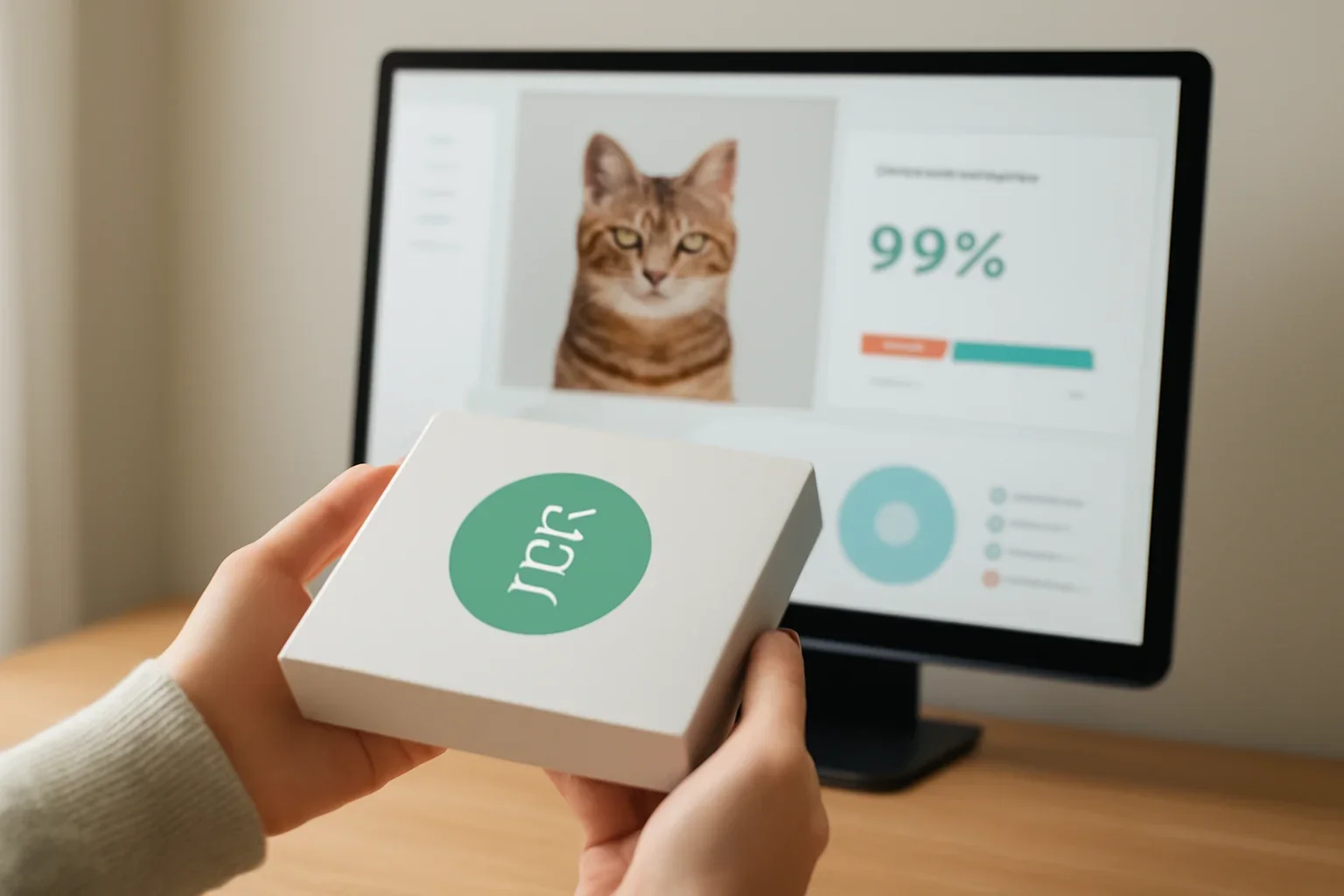
The kit matters because collection quality shapes the rest of the testing journey.
The collection steps should be easy to follow even if your cat is restless or suspicious of anything new.
Simple handling rules help you avoid food contamination, mixed samples, and preventable retests.
A practical kit makes it obvious what to package, where to send it, and what happens next.
A cheek-swab kit sounds simple because it usually is, but timing still matters. Waiting after meals, staying calm, and keeping the swab process gentle can make the difference between a smooth order and a frustrating delay.
If you want a complete walk-through first, start with how to DNA test your cat at home and then review pricing and report options once you know which kit depth feels right.
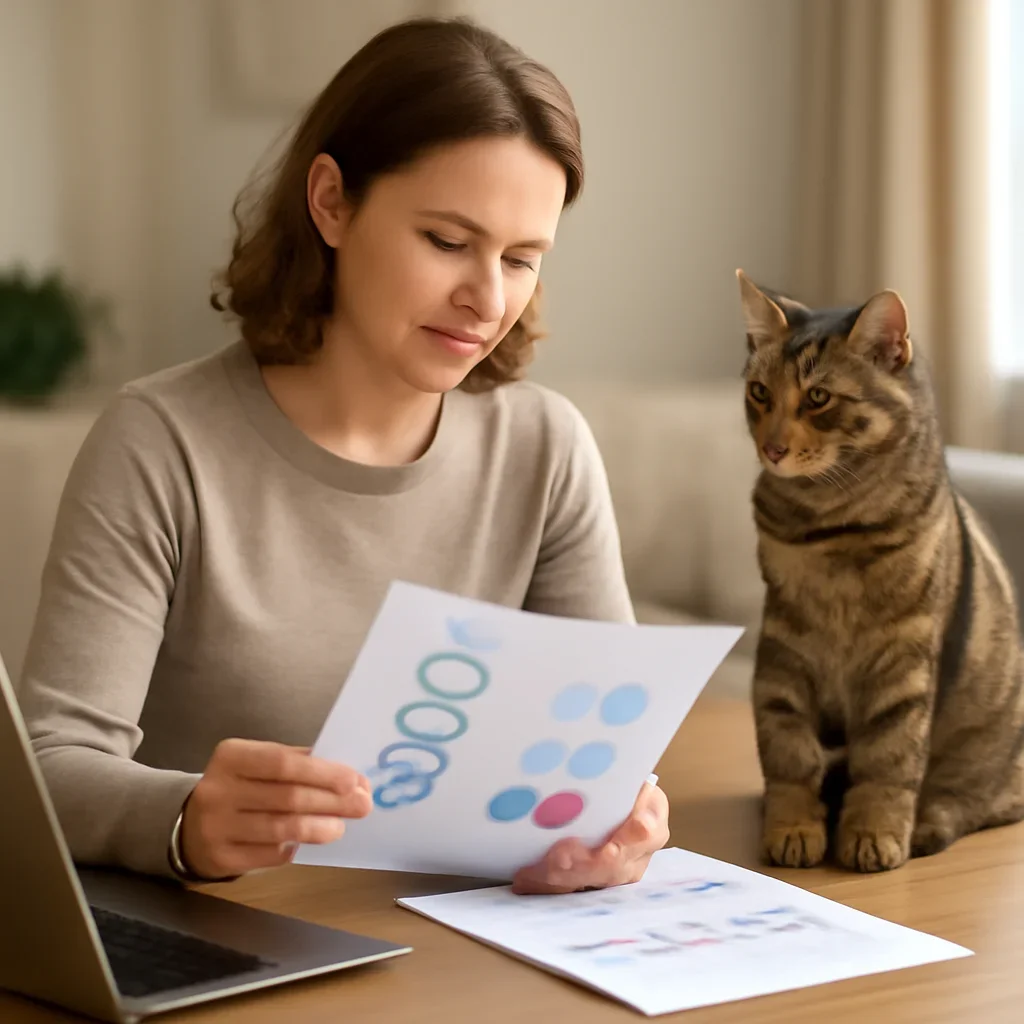
The best at-home kit pages explain both the report detail and the real-life reason someone would order it.
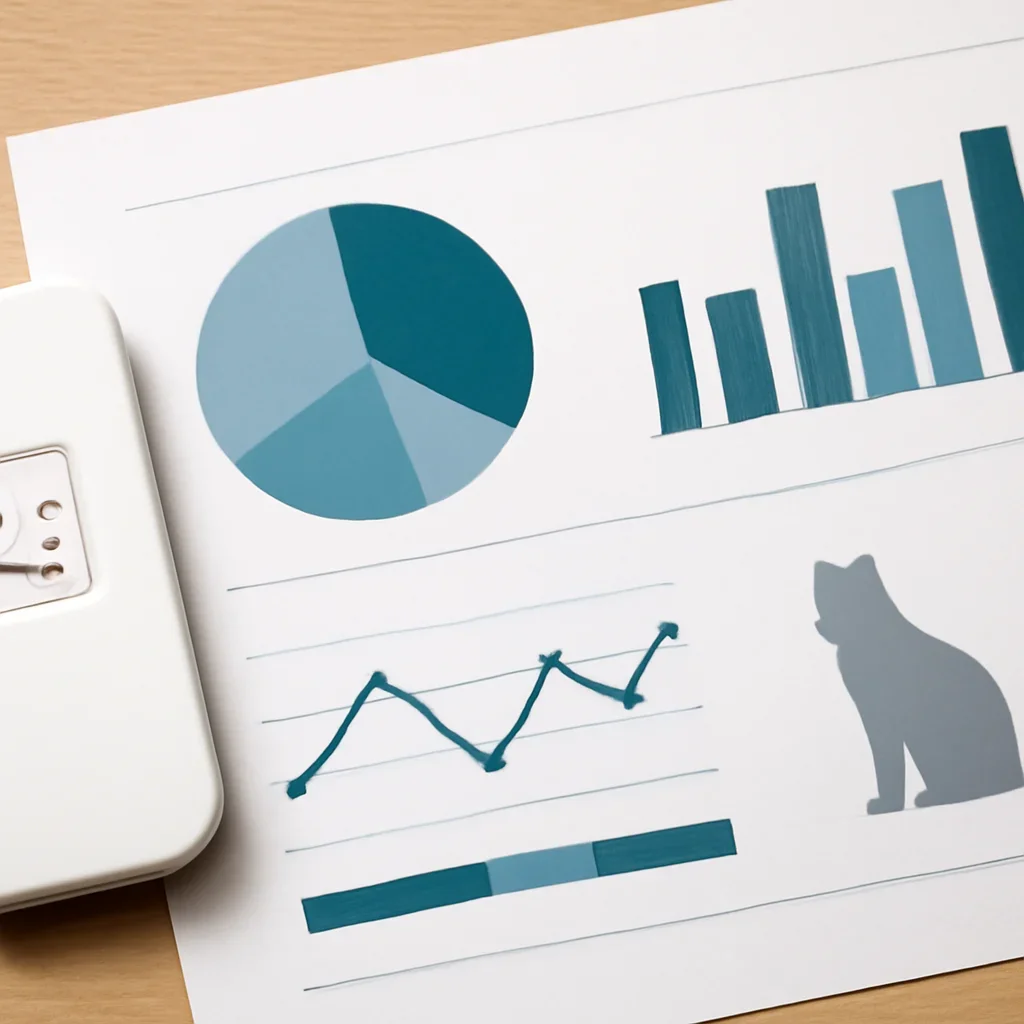
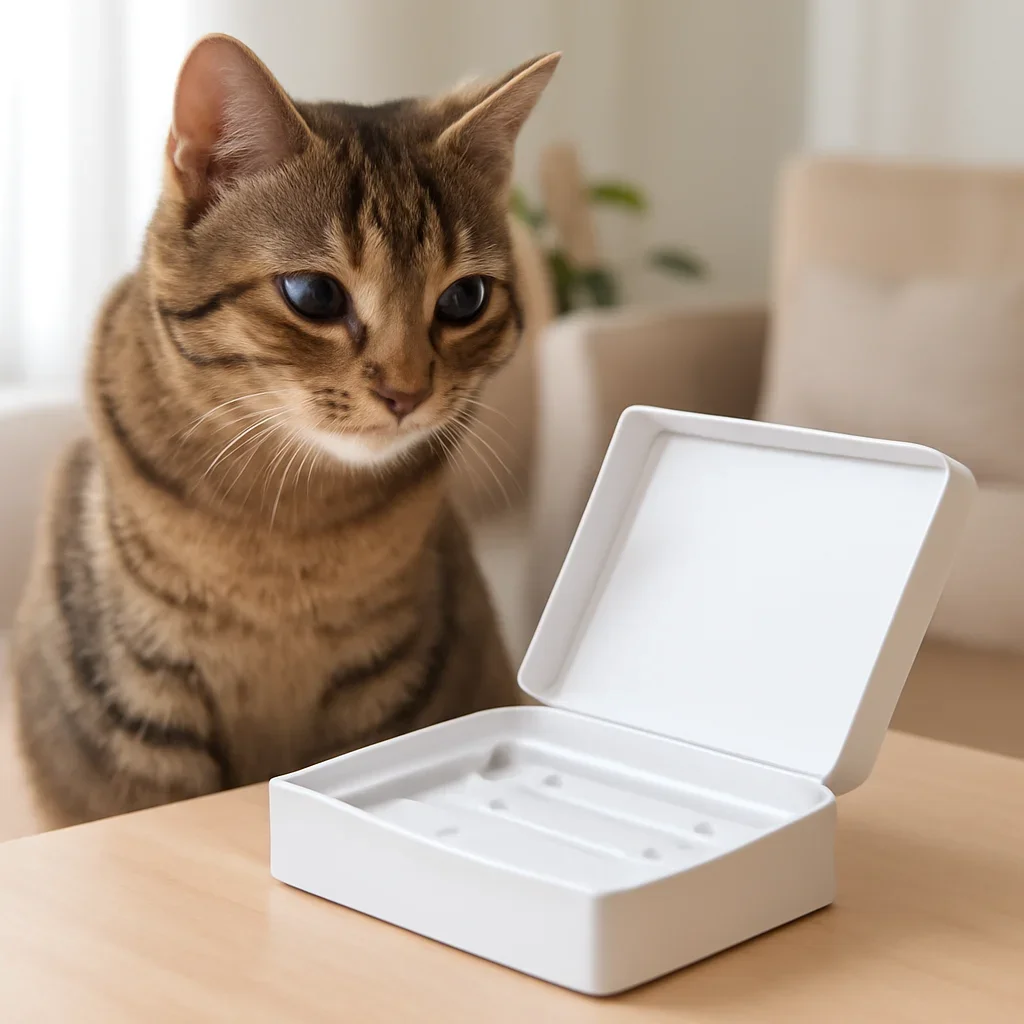
A reliable at-home kit removes guesswork from every step after purchase.
Match the kit to the question you want answered so you are not paying for extra reporting you do not need.
Follow the timing and handling instructions so the swab arrives in good condition for analysis.
Once the kit is returned, buyers should know how sample receipt, processing, and report delivery are communicated.
These answers focus on how at-home kit fits into the overall buying decision and what the final report should realistically tell you.
Yes, when it is done gently and according to the instructions. The swab process is non-invasive and usually far easier for owners than trying to arrange a more clinical collection method for a basic consumer DNA test.
No. Each cat should have a separate kit or clearly assigned sample materials. Mixing samples creates confusion and can make the result unusable.
Rushing the swab after food or treats is one of the most common problems. Taking a clean sample window and following the return instructions closely usually prevents avoidable delays.
Use these pages to compare at-home kit with nearby report options without turning the decision into a maze.
Share the question behind your at-home kit search and we will point you toward the report path that makes the most sense.